Cost of electrical work for a new house labor, materials prices
Table of Content
Most of the time, your electrician will be able to give you an accurate estimate up front. Prices paid for electrical work are hard to nail down because it's dependent on many factors, such as labor and material costs. For more accurate prices, request free cost estimates from local electricians here on HomeGuide for the service you need. Smaller jobs, such as wiring a single room or upgrading a panel, may take one or two days. Including the cost of all materials, it is common for electricians to price jobs per area with an all-inclusive price or per area with a cost divided between labor and materials.
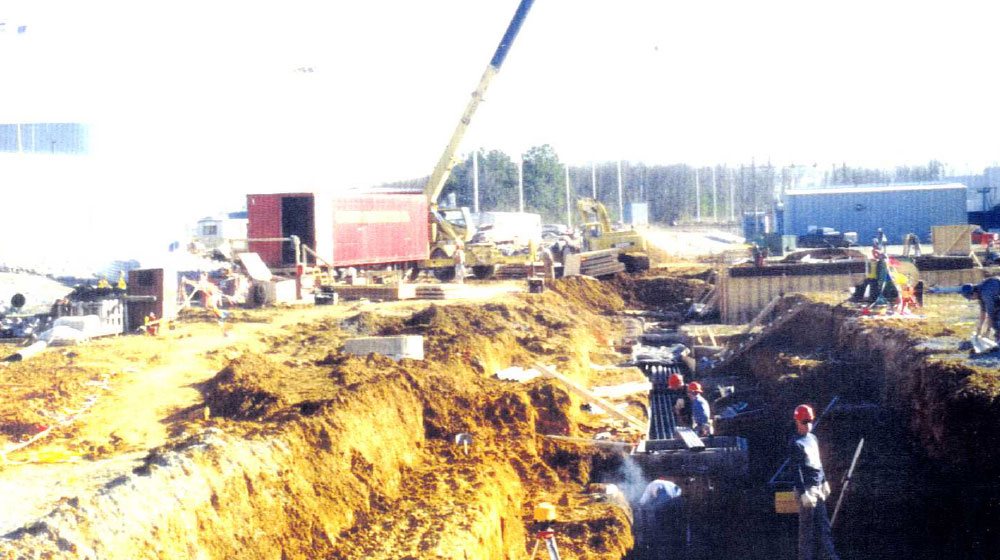
On average, this accounts for only 60% of the sale price for a new home. It does not include the cost of buying the land, financing or overhead. It does not even include any profit for the general contractor who is responsible for managing everything which is no small task. While building a new house all expenses will depend on who will be hired not only for electrical work, but for managing the whole construction process.
What are the disadvantages of building a house?
Contact us today and get your newly built home wired by certified and professional electricians at competitive prices. It depends on the area that the wires have to cover and the length required to provide energy efficiency to all the appliances. If the power output needs to be huge, you will need the finest quality wires which come at a slightly higher price. Exterior doors are much more expensive than interior doors.

The cost to install HVAC ranges from about $7,000 to $12,500. That includes installing ductwork, central AC and a furnace. Costs vary depending on the climate you live in, the size of your new home and which type of HVAC system you choose. Your new home begins to really take shape during the framing stage of construction. Framing is the highest material cost for most new home builds.
Electrical Cost for New Home Construction
Generally, the more outlets or switches that can be installed or added to a room, the better deal you can get. To meet code requirements, most areas require two or three outlets. It typically costs between $1,500 and $3,000 to wire a 2000 square foot house. At Hertz Electrical, we offer wiring services for new build houses. Our professional electricians always consider your safety and security of paramount importance. We will never suggest you use poor-quality wires which are vulnerable to power fluctuations or worse, fatality.

They are also protected underground so that they can last longer with fewer complications. Technically, knob and tube wiring doesn’t need to be removed from your home; just make sure it’s disconnected before new wiring is installed. However, the InterNACHI says to “have the system inspected by a qualified electrician.
Electrical Wiring Installation Cost
Expect to pay about $3,500 to light a 2,000-square-foot home. Interior doors average around $250 per door, including the unit and labor. Exterior doors range from $400 to $3,500 depending on size and style. Purchasing the plot of land that you’ll build on is the first expense you’ll encounter. However, land value is not included in our $300,000 average because prices vary widely based on innumerable factors ranging from soil quality to the view from your new front porch.

For low-voltage wiring installations, an electrician will charge $0.40 to $0.62 per linear foot. Larger jobs such as wiring and circuit breaker installation run $2,000 or more. The cost to replace knob and tube wiring is $1.56 to $3.75 per square foot or roughly $2.65 per square foot. One of the reasons you should replace knob and tube wiring is that it has no ground wire, and many insurance companies will refuse to cover the home for electrical fires because of it. The electrical rough-in cost is $3 to $8 per square foot, or about $3,000 to $8,000 for a 1,000-square-foot house. Pricing depends mainly on the power the house needs and how many outlets and lighting fixtures are planned for the house.
Upgrading or installing new electrical wiring is a task that should always be done by a certified electrician. Not only is it dangerous work, but doing it yourself could void your home insurance or lead to improper installation, despite your best efforts. Homes that are over 40 years old are due for an upgrade because older 60 amp systems can no longer support the amount of power that a modern home needs.

In many home remodels, wiring is not the only job an electrician undertakes. They may also set up appliances and alarm or security systems. Expect to pay between $200 and $400 for each set-up in addition to the cost of installing a new outlet for an appliance or wiring for a security system.
This is a double-insulated cable with an inner tube and outer insulator. This is the cable you install for most paid TV programming and some internet types. These are becoming less common as smart homes and different viewing systems emerge, so coaxial cable installation cost is an affordable part of a home rewire.
Most laundry rooms will also have a few recessed lights added into the cost. Additional switches and outlets cost between $100 and $185, depending on the model, and costs between $300 and $555. Labor cost $75 per hour,1,500-$2,500, and $4,850, totaling $6.17 per sq.ft. On average, you can expect to pay a price of $184,000 just for the building materials and specialized labor needed to construct a new home. Please remember that these cost estimates can vary depending on the size of your home, your geographical area, your personal preferences and other factors. Also, remember that these costs are just for the construction process of a new home.
Ribbon cables are three times more expensive than regular cables. An electrician will usually charge between $40 and $100 per hour for work. If you are overwhelmed by the number of rooms, you can rewire one room at a time. If you’re rewiring your electrical panel, you can also upgrade it.

These cables are not used as frequently as newer non-metallic sheathed cables. However, they can be used in interior and exterior applications like branch circuits for outlets and lighting. They can also be installed and used in a wide range of areas and are easy to work with for the electrician.
Electric updates become most expensive when you need to replace or install wiring throughout your entire house. However, this may be a necessary improvement in older homes, built before 1970, since the standard power wattage used to be 60 amps, which today is simply not enough. As previously stated, electrical wiring is a dangerous job and should always be done by a licensed professional.


Comments
Post a Comment